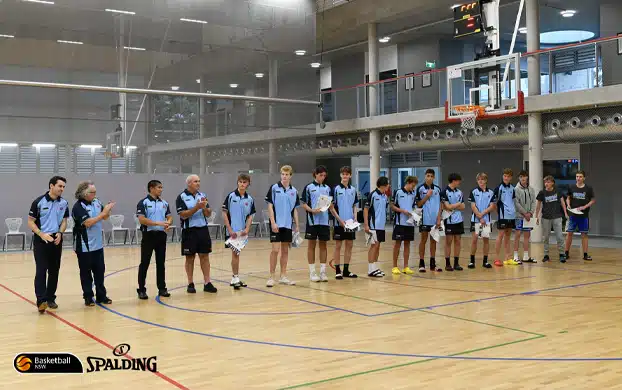
(Ongoing School Relationship) Barker

(Ongoing School Relationship) Barker
Barker College is a prestigious K-12 school in Sydney’s northern suburbs.
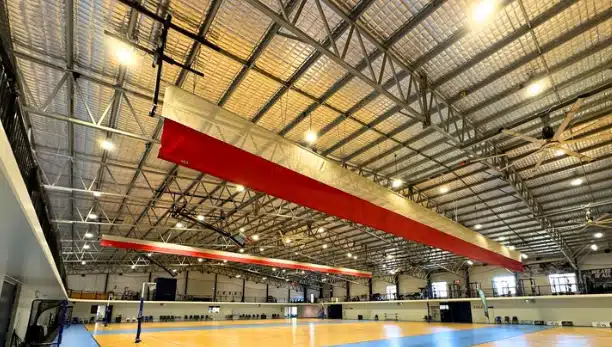
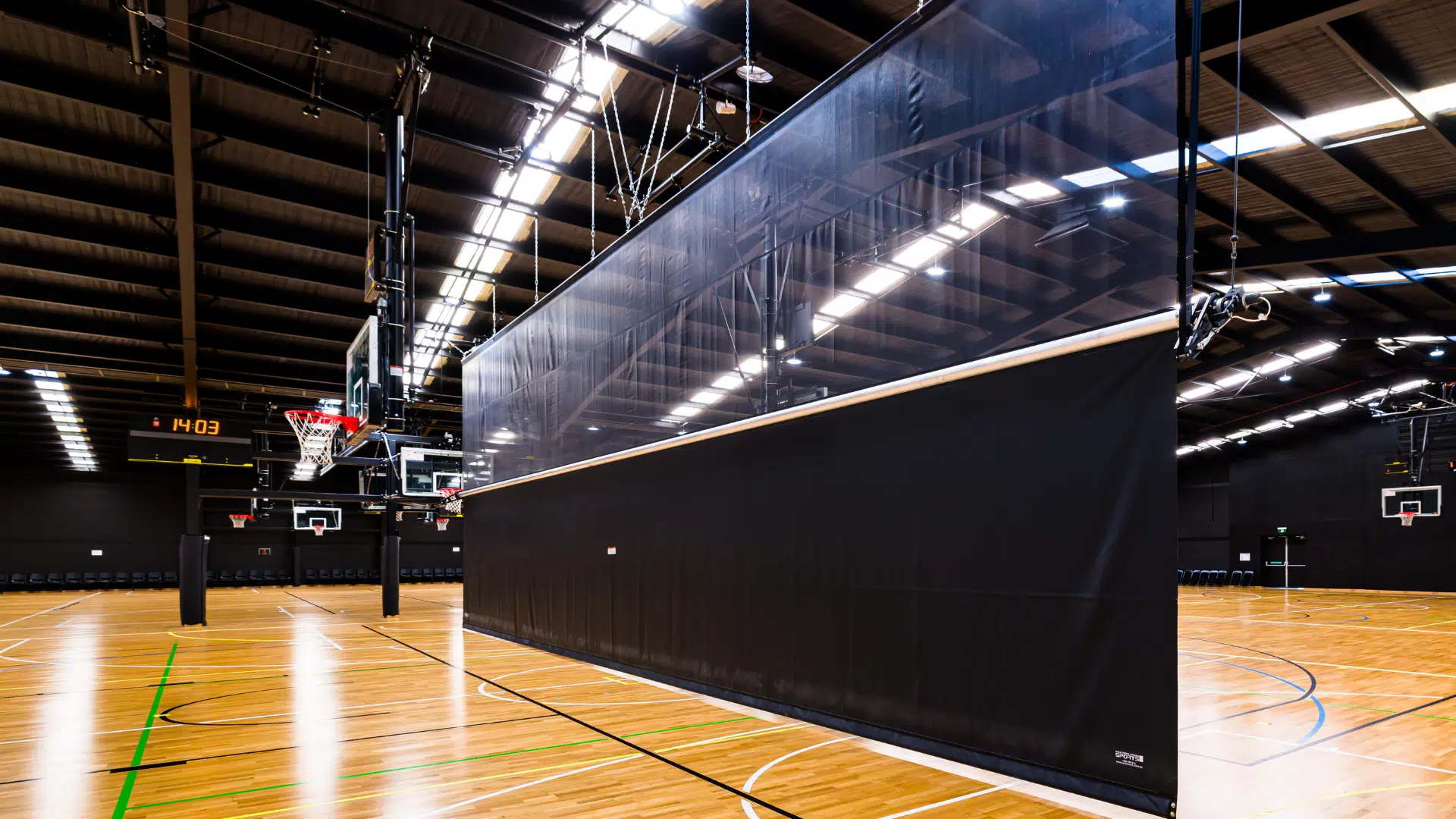
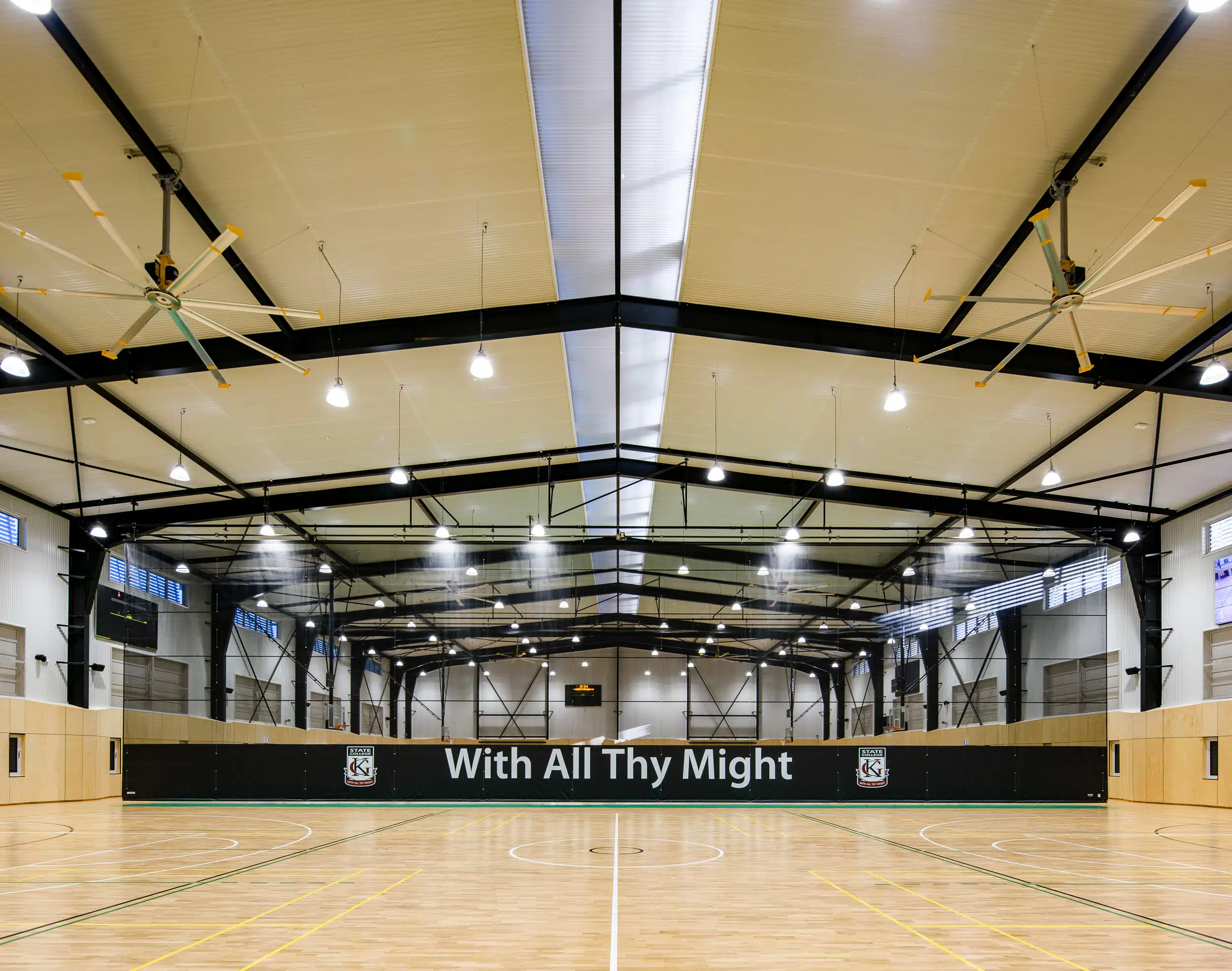
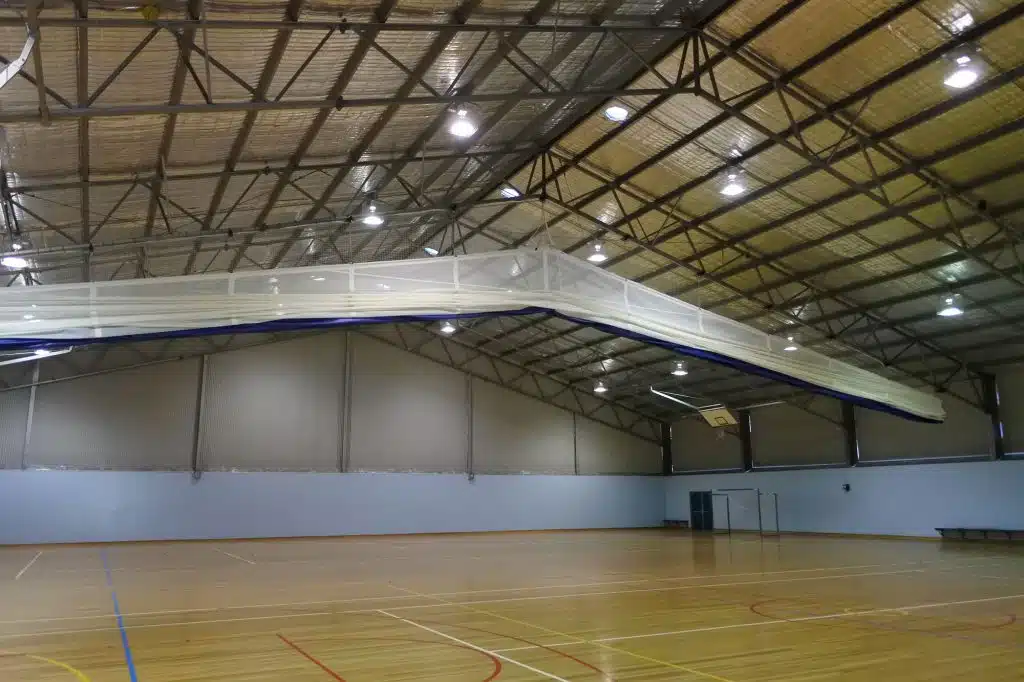
Dividing curtains are an essential feature in many indoor sports facilities. They allow multiple activities to take place simultaneously, help maximise available court space and provide flexibility for schools, sporting clubs and recreation centres.
However, while functionality and ease of operation are important, dividing curtain safety should always be a priority when selecting, installing and maintaining a system.
From emergency deployment mechanisms to appropriate netting and safe access points, several design considerations can make a significant difference to the safety of players, staff and facility users.
Here are six important features to consider when assessing the safety of your sports facility’s dividing curtains.
Dividing curtains should be designed with safety and accessibility in mind, particularly in situations where rapid deployment or retraction may be necessary.
A well-considered operating system should allow authorised staff to respond quickly when required, without unnecessary complications or delays.
Safety locks and control mechanisms should be appropriate for the curtain’s design and operation. They should also prevent unauthorised use while ensuring that trained personnel can operate the system when needed.
When selecting a dividing curtain, consider:
The right operating system can help make facility management safer, more efficient and more predictable.
Fire safety is an important consideration in any indoor sports facility, and dividing curtains should form part of the broader building safety strategy.
Depending on the facility’s design, curtains can affect how spaces are divided, how occupants move through the building and how emergency access is maintained.
When specifying a dividing curtain, consider:
It is important to remember that a dividing curtain should never obstruct required exits or compromise safe evacuation.
Always confirm material specifications and compliance requirements with the manufacturer and relevant building or fire safety professionals.
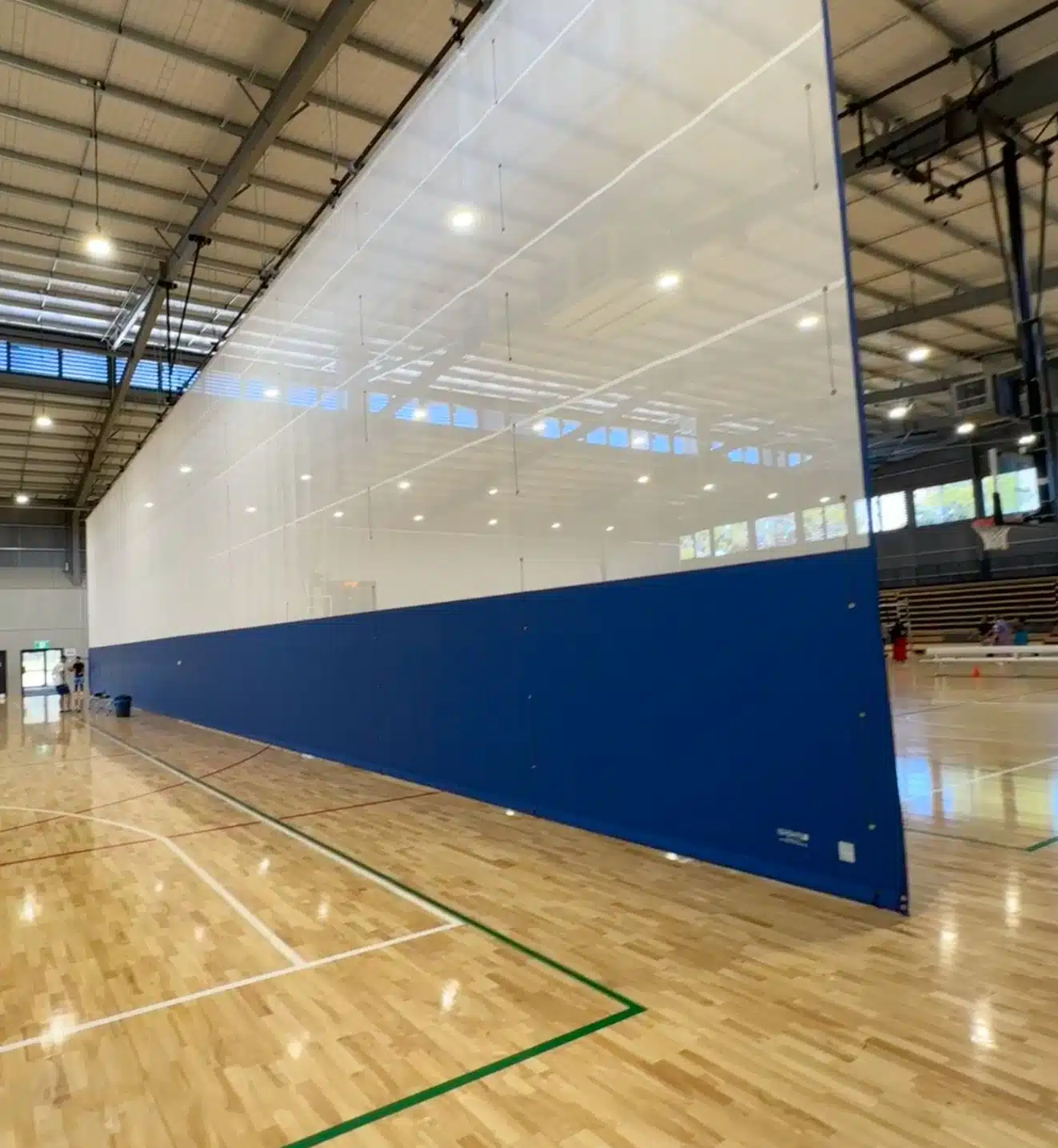
The choice between netting and mesh can influence visibility, ventilation, ball containment and the overall suitability of a dividing curtain.
Both options offer different advantages, so the right choice will depend on the sports being played and the requirements of the facility.
Netting
Netting can provide an effective separation between courts while allowing visibility and airflow. It is particularly useful where maintaining an open environment is important.
Mesh
Mesh can offer a more continuous barrier while still allowing some visibility and airflow, depending on the material and construction. It can also be suitable where additional ball containment is required.
When comparing the two, consider:
Ultimately, the best option is one that balances functionality, durability and the safety requirements of the space.
The bottom edge of a dividing curtain is an important safety consideration, particularly in busy multi-court environments.
A rigid or exposed bottom bar may present a potential impact hazard if players come into contact with it during normal sporting activities.
Incorporating appropriate padding around the bottom bar can help reduce the risk of injury from accidental contact.
When considering padded bottom bars, look at:
This is particularly worth considering in facilities used by children, schools and community sporting groups, where players of different ages and abilities share the space.
Safe access between court areas is another important aspect of dividing curtain design.
While the primary purpose of a dividing curtain is to separate sporting spaces, users may still need to move between areas without having to retract the entire system.
Providing suitable ingress and egress points at each end can improve accessibility and help reduce unnecessary movement around the facility.
Consider the following:
Well-planned access points help ensure that the curtain supports the facility’s daily operations rather than creating additional obstacles.
Even a well-designed dividing curtain requires regular inspection and maintenance to remain safe throughout its service life.
Mechanical components, operating systems, suspension points, cables, netting and protective padding can all experience wear over time.
Routine checks can help identify potential issues before they develop into more significant problems.
Facility managers should consider:
Following the manufacturer’s maintenance recommendations and addressing any issues promptly can help ensure your dividing curtain remains safe, reliable and in good working condition.
Need help maintaining your facility? RMA Sport offers professional Maintenance Services to help keep your sports equipment and facilities performing at their best!
Selecting the right dividing curtain involves more than simply separating two courts. It requires careful consideration of how the system will operate, how people will interact with it and how it will perform within the wider sports facility.
From emergency operation and fire safety to material selection, padded bottom bars and safe access points, every detail contributes to a more functional and safety-conscious environment.
At RMA Sport, we supply a range of dividing curtain solutions designed to suit different facility layouts, operational requirements and budgets.
Our range includes the Essentials and Stadia systems, as well as specialist solutions for facilities with unique architectural requirements such Dividing Curtain for COLA
Whether you are planning a new sports facility, upgrading an existing space or reviewing your current equipment, choosing the right dividing curtain is an important investment in your facility’s long-term functionality.
Looking for the right dividing curtain for your facility?
Explore RMA Sport’s range of dividing curtains or contact our team to discuss your project and find a solution suited to your requirements.

Barker College is a prestigious K-12 school in Sydney’s northern suburbs.
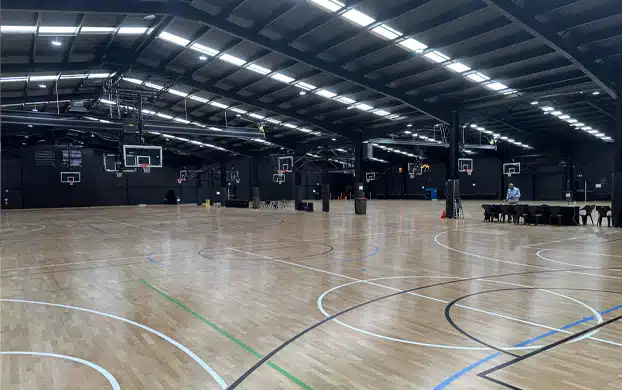

RMA was excited to help with the establishment of the new facility for the Camellia Wolves.
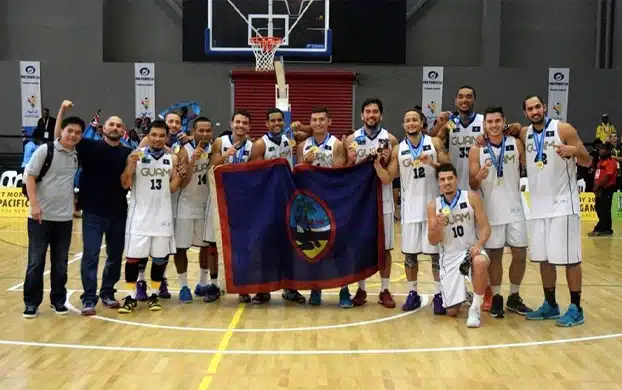
Over the years, RMA has been involved in 5 Pacific Games, the event that connects the best sports people from Pacific island nations together in a festival of sport.
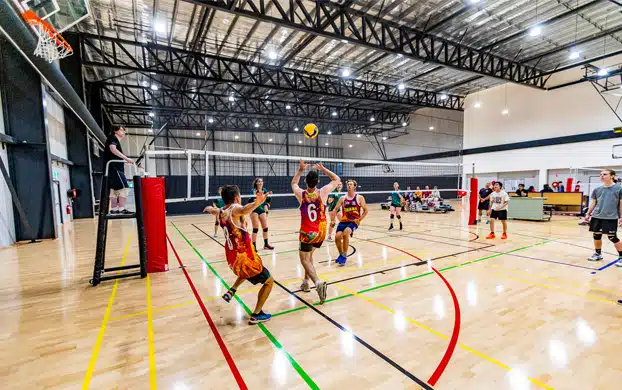
RMA’s involvement in new builds starts early, in quantity surveying or early design. We work with the designers and other stakeholders to determine the profile of the new facility.
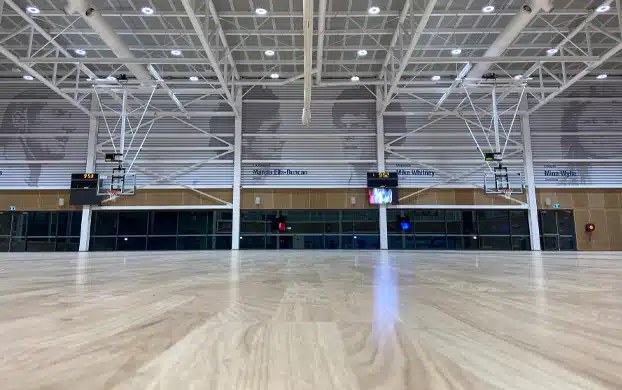
RMA works hard to support local government authorities with all their indoor and outdoor sports infrastructure requirements.
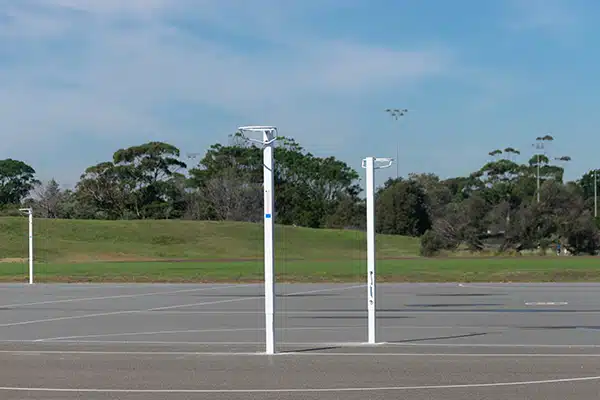
Over the years RMA has worked with hundreds of architects on hundreds of projects all across the Pacific.