(Ongoing School Relationship) Barker

(Ongoing School Relationship) Barker
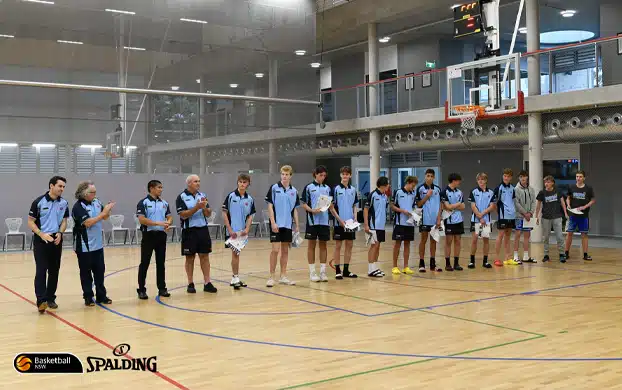
Barker College is a prestigious K-12 school in Sydney’s northern suburbs.
A sports facility is any venue for athletic activities, including stadiums, arenas, indoor courts, outdoor fields, swimming pools, and gymnasiums. These facilities serve various purposes, from professional competitions to community recreation and training programs.
Sports facility management involves overseeing a sports venue’s operation, maintenance, and safety. This includes scheduling events, ensuring compliance with health and safety regulations, maintaining equipment and infrastructure, and providing a top-tier experience for athletes and visitors. Effective facility management helps prevent common maintenance issues and extends the lifespan of a facility.
Facility managers, maintenance managers, and facility owners typically oversee sports facilities. Their responsibilities include budgeting, staff coordination, risk management, and implementing long-term maintenance strategies. A well-managed facility ensures not only the safety and efficiency of operations but also enhances the experience for athletes, coaches, and spectators.
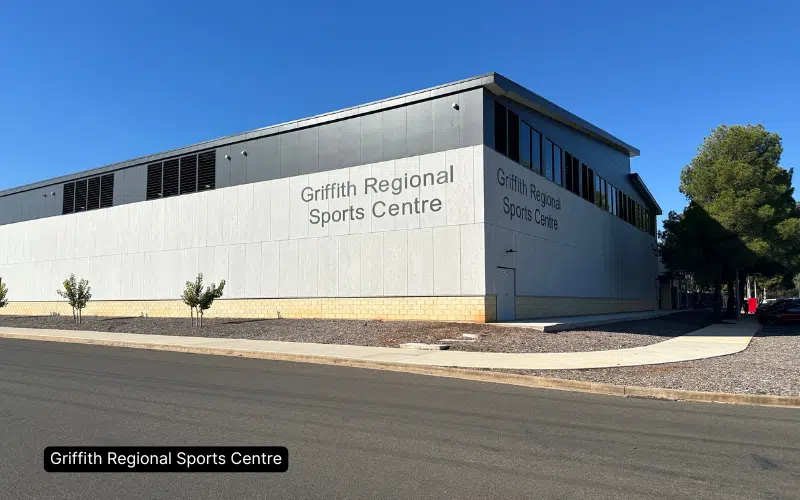
Sports facilities are valuable assets that require regular upkeep to ensure safety, performance, and longevity. However, many facility managers unknowingly make maintenance mistakes that can lead to costly repairs, safety hazards, and operational disruptions. Here are some of the most common sports facility maintenance mistakes—and how to avoid them.
1. Overlooking Small Damages That Lead to Costly Repairs
Example: In an outdoor basketball court, small cracks in the concrete or asphalt surface can expand due to weather conditions, leading to uneven playing surfaces and trip hazards. Additionally, exposure to rain and humidity can cause metal components such as hoop structures and fence posts to rust, compromising their durability. In an indoor basketball court, loose floorboards or minor water damage can cause warping, making the surface unsafe for players. Worn-out nets and frayed padding can also pose safety risks if not regularly inspected and replaced.
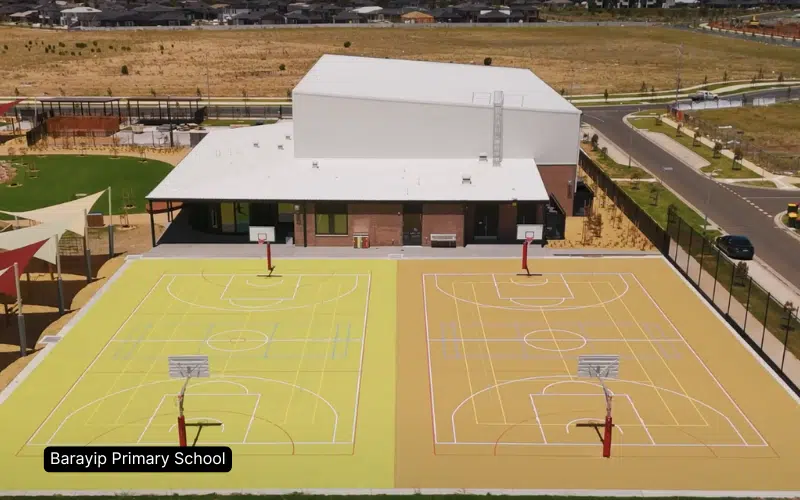
How to Avoid It:
• Implement a routine inspection schedule to catch minor issues early.
• Train staff to report and document any signs of wear and tear.
• Address small damages promptly to prevent them from becoming major problems.
2. Using Incorrect Cleaning Products on Surfaces
Example: Using strong chemical cleaners on an indoor volleyball or hockey court’s wooden floor can strip the protective coating, making the surface slippery and unsafe for players. Using the wrong type of floor cleaner can damage the synthetic surface, reduce grip, and create a slipping hazard for players.
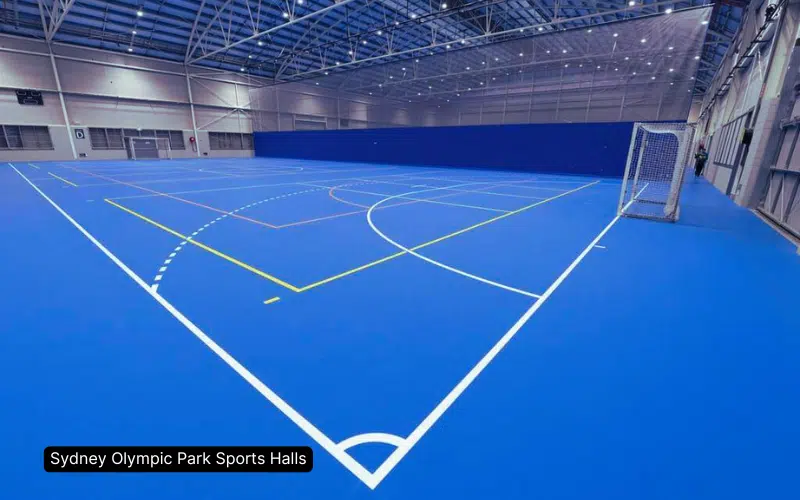
How to Avoid It:
• Refer to manufacturer guidelines for appropriate cleaning products.
• Use non-abrasive, eco-friendly cleaners that preserve surface integrity.
• Train cleaning staff on proper maintenance techniques for each facility area.
3. Neglecting Ventilation and Lighting Systems
Example: In an indoor swimming pool facility, poor ventilation can lead to excessive humidity, causing condensation buildup that deteriorates walls, ceilings, and metal fixtures. This can also result in poor air quality, making it uncomfortable and potentially hazardous for athletes and spectators.
Faulty lighting can lead to reduced visibility, increasing the risk of accidents, misjudgement of distances, and player injuries.
Example: In an indoor basketball court, dim or flickering lights can make it difficult for players to track the ball, potentially leading to collisions or missed plays. In an indoor tennis facility, poor lighting can cause shadows or glare, making it hard for players to accurately judge the speed and direction of the ball. Similarly, in a gymnastics training facility, improper lighting can affect depth perception, increasing the risk of falls or missteps.
How to Avoid It:
• Regularly inspect ventilation systems to ensure proper airflow and humidity control.
• Replace faulty or dim lighting to maintain optimal visibility and safety for athletes and spectators.
• Ensure emergency lighting is operational in case of power failures to maintain safety at all times.
4. Failing to Maintain Automated and Electronic Systems
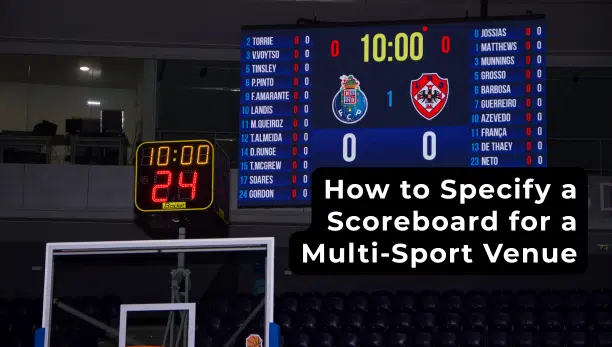
Modern sports facilities rely on automated systems such as retractable curtains, movable backboards, and electronic scoreboards to enhance operations and functionality. However, neglecting these systems can lead to malfunctions that disrupt events and pose safety risks.

Example: In a multi-purpose indoor sports arena, retractable basketball backboards that are not regularly checked may become misaligned or fail to retract properly, leading to operational delays and potential safety concerns. Similarly, automated curtains used to divide courts can become jammed if not maintained, affecting facility usage.
Example: In a stadium setting, a malfunctioning electronic scoreboard can lead to display errors during live games, creating confusion for players and spectators.
How to Avoid It:
• Implement regular inspections and servicing for automated systems.
• Ensure trained personnel are available to troubleshoot technical issues.
• Keep software and firmware updated for electronic systems to avoid malfunctions.
5. Managing Drainage and Weather-Related Challenges
Outdoor sports facilities are heavily impacted by seasonal weather conditions, which can create maintenance challenges. Ensuring proper drainage is essential to prevent flooding, soil erosion, and surface deterioration.
Example: In a football or soccer field, poor drainage can lead to waterlogging, making the ground uneven and increasing the risk of player injuries. Standing water can also contribute to turf degradation and fungal growth, affecting overall field quality.
Example: In an outdoor tennis or basketball court, inadequate drainage can cause puddles that make the playing surface slippery and unsafe. Over time, water exposure can lead to surface cracking and long-term damage.
Example: In an athletics track, improper drainage can lead to water pooling in lanes, affecting race conditions and posing safety hazards for runners.
Example: In a golf course, insufficient drainage can lead to muddy fairways and waterlogged greens, impacting playability and increasing maintenance costs.
How to Avoid It:
• Conduct regular inspections of drainage systems to ensure they are functioning correctly.
• Install permeable surfaces or drainage channels to direct water away from playing areas.
• Adapt maintenance schedules to account for seasonal weather changes, such as increased rainfall or extreme heat.
Sports equipment storage refers to the methods and structures used to store and organise athletic gear efficiently, ensuring easy access and prolonged equipment lifespan. This includes dedicated storage rooms, lockers, cabinets, and specialised shelving systems tailored for various types of equipment. Proper storage solutions also help prevent damage from environmental factors such as humidity and dust while streamlining facility operations. Well-organised storage enhances efficiency for facility staff, reduces clutter, and ensures that equipment is readily available for athletes when needed.
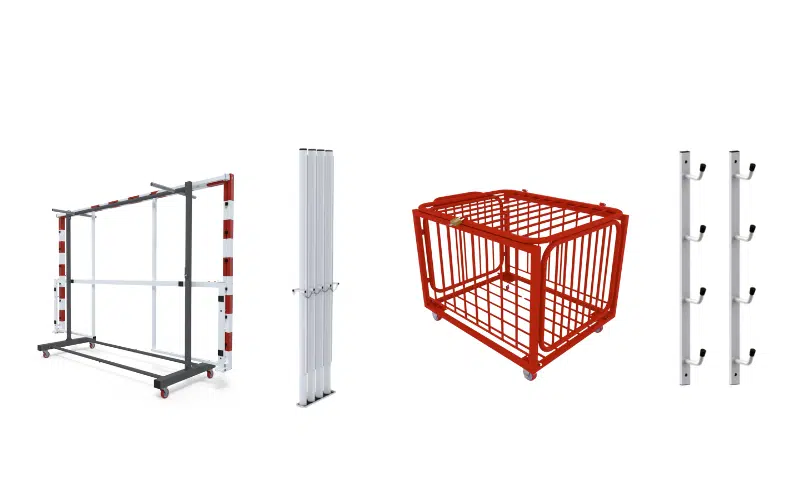
Proper storage of sports equipment extends its lifespan and ensures it remains in optimal condition. Equipment should be stored in a designated, climate-controlled area to prevent damage from humidity, temperature fluctuations, and improper handling.
Best Practices:
• Use labelled shelves, bins, and racks for easy organisation.
• Keep frequently used items accessible while storing seasonal equipment separately.
• Ensure proper ventilation in storage areas to prevent mould and mildew.

A sports equipment trolley is a mobile storage unit designed to transport and organise athletic gear. These trolleys are particularly useful for schools, gyms, and multi-sport venues, allowing staff to move equipment quickly and efficiently.
Benefits of Using a Sports Equipment Trolley:
• Improves organisation and accessibility of gear.
• Reduces the risk of damage caused by improper storage.
• Enhances facility efficiency by enabling quick equipment transport.
Proper maintenance of sports facilities is essential to ensuring safety, extending the life of equipment, and providing the best experience for athletes and visitors. Effective facility management helps prevent costly repairs, enhances operational efficiency, and ensures compliance with safety standards. From routine inspections and proper equipment storage to managing ventilation, lighting, and drainage systems, every aspect of maintenance plays a crucial role in the longevity of a sports facility.
If you need professional support in auditing and maintaining your sports facility, RMA Sport is here to help. Our team of experts provides tailored maintenance solutions to ensure your facility remains in top condition. Contact RMA Sport today to schedule an audit and take proactive steps towards better facility management.

Barker College is a prestigious K-12 school in Sydney’s northern suburbs.
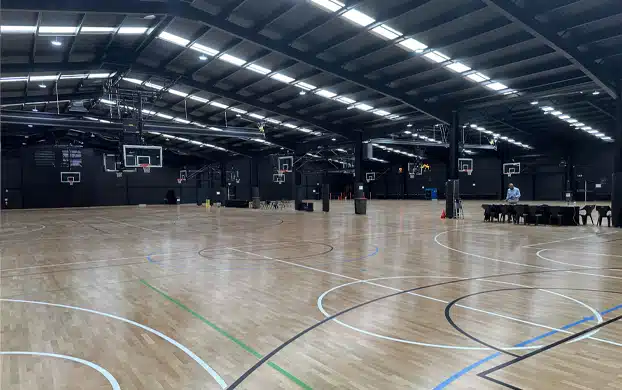

RMA was excited to help with the establishment of the new facility for the Camellia Wolves.

Over the years, RMA has been involved in 5 Pacific Games, the event that connects the best sports people from Pacific island nations together in a festival of sport.
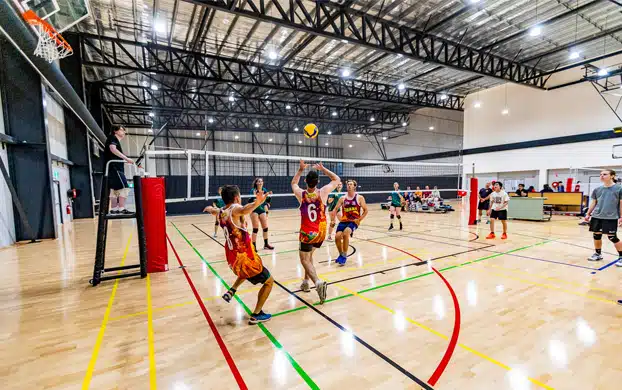
RMA’s involvement in new builds starts early, in quantity surveying or early design. We work with the designers and other stakeholders to determine the profile of the new facility.
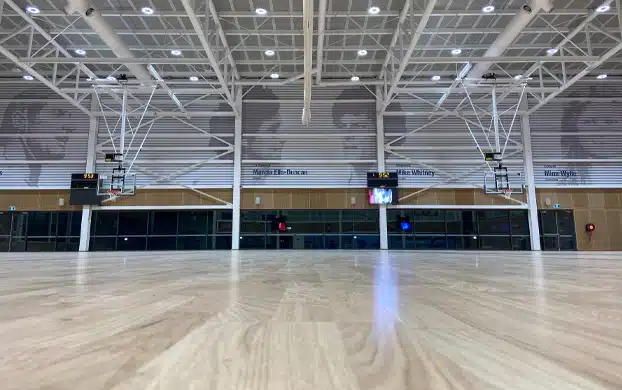
RMA works hard to support local government authorities with all their indoor and outdoor sports infrastructure requirements.
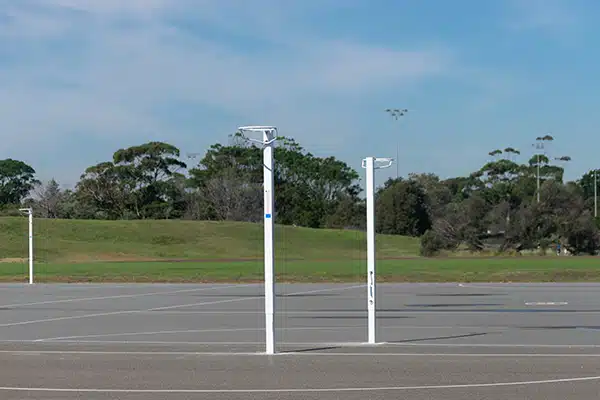
Over the years RMA has worked with hundreds of architects on hundreds of projects all across the Pacific.