(Ongoing School Relationship) Barker

(Ongoing School Relationship) Barker
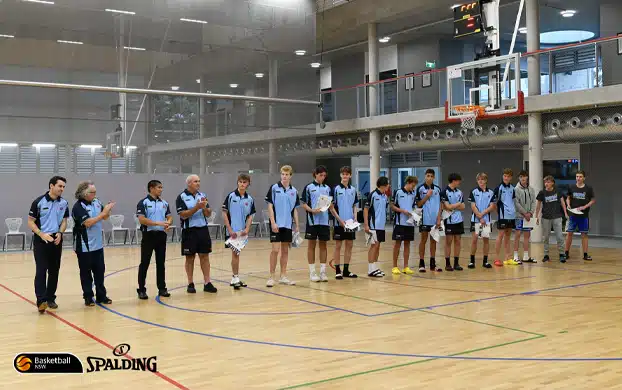
Barker College is a prestigious K-12 school in Sydney’s northern suburbs.
As managers and operators of sports facilities across Australia, staying vigilant about safety isn’t just good practice—it’s essential. In this post, we explore the most common safety issues found across sporting venues—structural, environmental, and equipment—and highlight Australian standards and guidelines to help RMA Sport deliver exceptional facility safety.
Overview
Heavy usage and deferred maintenance can lead to uneven floors, cracked seating, rusted frames or goalposts, frayed nets, and broken padding—all of which pose significant injury risks. For instance, small surface cracks in basketball courts may expand into tripping hazards if left unchecked. rmasport.com.au
What You Can Do
Conduct routine, documented inspections to catch and rectify minor wear before it escalates. rmasport.com.au
Use manufacturer-approved cleaning products—harsh chemicals can damage sports flooring surface grips, raising slip risks. rmasport.com.au
Maintain all automated systems such as retractable backboards, curtains, or electronic displays to avoid operational failures or injuries. rmasport.com.au
Ensure adequate drainage in outdoor facilities—pooling water leads to uneven play surfaces and heightened slip risks. rmasport.com.au
Lighting: Dim, flickering, or uneven lighting can impair visibility, increasing collision and injury risks for athletes and spectators. Australian Standard AS 2560.2:2021 offers updated guidelines for sports lighting across codes including tennis, football, indoor halls, and more. Standards AustraliaFallon Solutions
Ventilation: Pools and enclosed courts require effective ventilation to prevent poor air quality, condensation, and surface deterioration. rmasport.com.au
Australia has robust, sector-specific standards supporting sports facility safety and design:
Playgrounds & Equipment:
AS 4685 covers safe design and testing of play equipment (slides, swings, etc.). kidsafensw.org
AS 4422 addresses playground surfacing and impact absorption. kidsafensw.org
Lighting & Surfaces:
AS 2560.2:2021 ensures improved sports lighting standards. Standards AustraliaFallon Solutions
Sports Courts Construction & Maintenance:
SAPIA’s Code of Practice supports safe construction, surfacing, drainage, and maintenance of tennis and general sports courts. Sports & PLay
Aquatic Safety:
RLSSA’s Guidelines for Safe Pool Operations (GSPO) address child safety and staff capability. Royal Life Saving Society – Australia
New draft guidelines include Safe Diving and Lightning Management—critical risk areas linked to severe injuries. Royal Life Saving Society – Australia
Electrical Safety:
The AS/NZS 3760 “Test and Tag” standard mandates regular inspection of portable electrical equipment to ensure operational safety—for example, gym machinery or rink systems.
Concussions: Growing awareness and updated protocols are emerging across Australian sports:
Technologies like smart mouthguards help monitor impact exposure. The Guardian
The Australian Sports Commission encourages longer return-to-play stand-downs: 10 days for elite athletes and 21 days in community sports. The mantra: “if in doubt, sit them out.” The Guardian
Air Quality During Bushfire Seasons:
The Australian Institute of Sport recommends monitoring PM2.5 levels and rescheduling or relocating activities if readings exceed 150 μg/m³—or move indoors if levels exceed 50 μg/m³, especially for vulnerable athletes. The Guardian
Facilities lacking rest areas, water access, safe signage, and disability-friendly routes are unsafe. Clear wayfinding, lighting, and inclusive changerooms are essential—especially for women and girls. PMCSport and Recreation Victoria
Sport Victoria emphasises clean, well-maintained, gender-equitable changerooms, signage, and aesthetic design to promote safety and accessibility. Sport and Recreation Victoria
| Hazard Category | Risks Identified | Australian Standards / Solutions |
|---|---|---|
| Structural / Equipment | Cracks, rust, broken automation, poor drainage | Routine inspections, SAPIA codes, court maintenance |
| Lighting / Ventilation | Poor visibility, condensation, air quality hazards | AS 2560.2 (lighting); proper ventilation practices |
| Equipment Standards | Unsafe playground/sport gear assumptions | AS 4685, AS 4422, GSPO (aquatic), SAPIA guidance |
| Electrical Safety | Faulty machinery risk | AS/NZS 3760 “Test and Tag” |
| Concussions | Long-term brain injury risks | Smart mouthguards, ASC protocols |
| Air Pollution Hazards | Risks during bushfire season | PM2.5 monitoring & AIS guidelines |
| Accessibility & Safety | Unsafe signage, intrusive designs | Sport Vic guidelines, inclusive design, gender-neutral facilities |

Barker College is a prestigious K-12 school in Sydney’s northern suburbs.
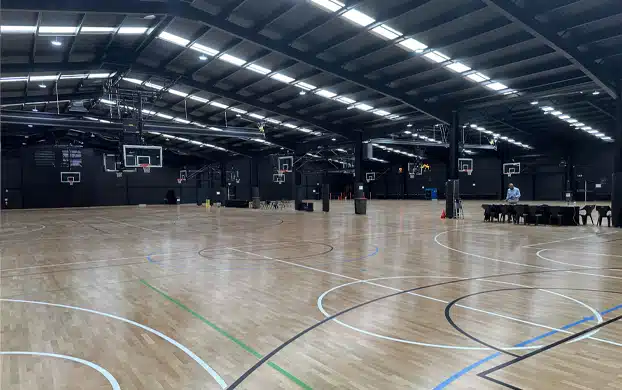

RMA was excited to help with the establishment of the new facility for the Camellia Wolves.
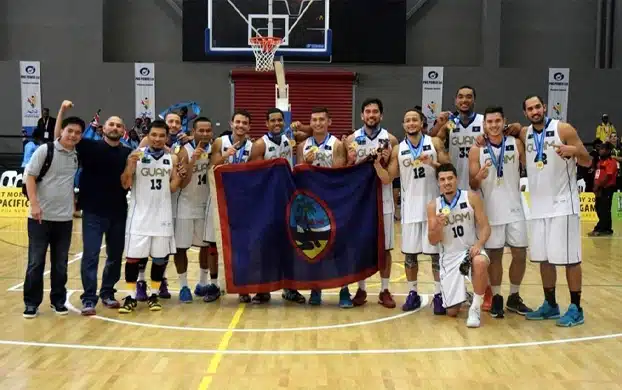
Over the years, RMA has been involved in 5 Pacific Games, the event that connects the best sports people from Pacific island nations together in a festival of sport.
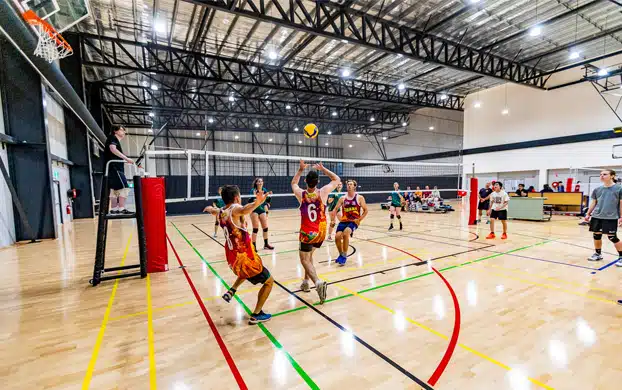
RMA’s involvement in new builds starts early, in quantity surveying or early design. We work with the designers and other stakeholders to determine the profile of the new facility.
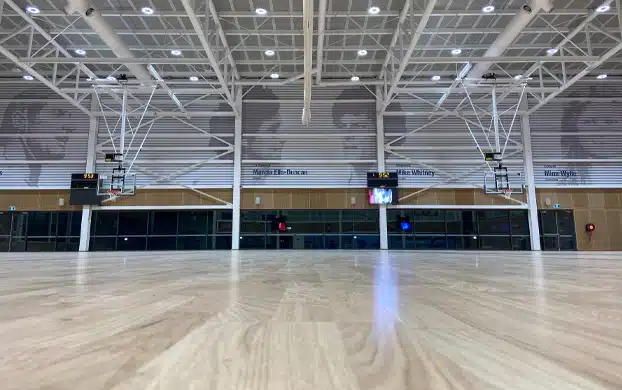
RMA works hard to support local government authorities with all their indoor and outdoor sports infrastructure requirements.
Over the years RMA has worked with hundreds of architects on hundreds of projects all across the Pacific.