(Ongoing School Relationship) Barker

(Ongoing School Relationship) Barker
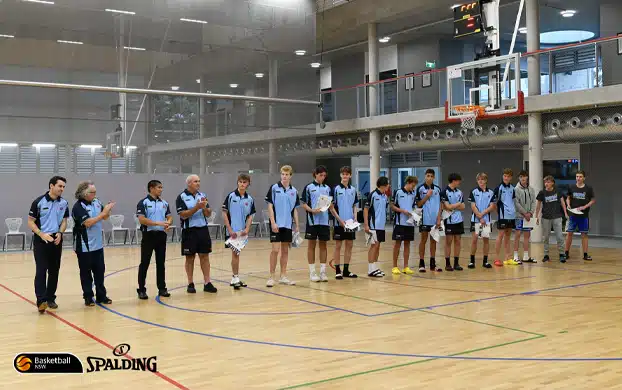
Barker College is a prestigious K-12 school in Sydney’s northern suburbs.
Every sports asset has a life span. From basketball systems and football goals to scoreboards, sports surfaces and other sporting equipment, assets are designed to perform for many years—but they don’t last forever.
For schools, councils, sporting clubs and facility managers, understanding the asset life span of sports equipment is an important part of maintaining a safe, functional and cost-effective facility.
The key is not simply knowing when equipment was installed. It’s understanding how the equipment is being used, monitoring its condition and planning for maintenance and eventual replacement.
The expected life of a sports asset can vary depending on several factors.
Frequency and intensity of use are major considerations. Equipment that is used every day will naturally experience more wear and tear than equipment used occasionally.
For example, basketball systems may be raised, lowered or moved regularly, while football and AFL goals can be exposed to repeated impact and outdoor conditions.
The environment also plays an important role. Outdoor equipment may be exposed to sun, rain, wind and changing temperatures, while indoor equipment can experience constant use and mechanical wear.
Other factors include the quality of installation, cleaning practices, maintenance history and the availability of replacement components.
This is why the age of an asset should not be the only factor considered when assessing whether it needs attention.
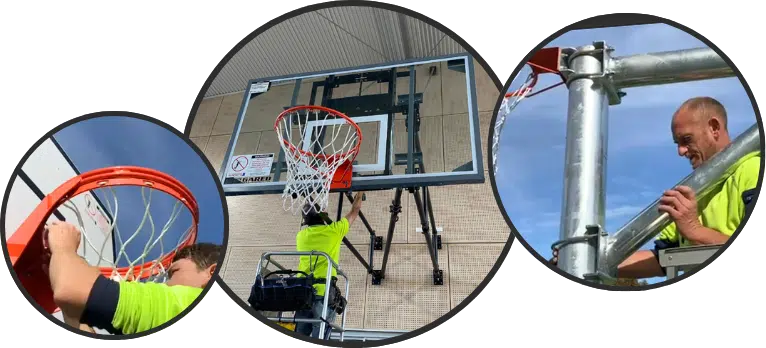
Normal wear and tear is unavoidable, but proactive maintenance can help identify problems before they become major issues.
Regular inspections allow facility managers to monitor the condition of their sports equipment and identify components that may need adjustment, repair or replacement.
A small issue addressed early may be relatively straightforward to resolve. Left unattended, it could develop into a larger problem, potentially affecting the equipment’s performance, safety and remaining useful life.
Regular maintenance can help:
For facilities with multiple sports systems, a regular maintenance program also provides a clearer picture of which assets require attention now and which may require replacement in the future.

Even well-maintained sports equipment will eventually reach the end of its useful life.
That’s why replacement planning should form part of a facility’s overall asset management strategy.
Waiting until a basketball system, football goal or other sports asset fails can result in an unexpected expense, disruption to facility use and pressure to find a replacement quickly.
Instead, facility managers can use regular inspections and maintenance to identify assets that are approaching the end of their useful life.
This makes it easier to plan capital expenditure and budget for replacement before it becomes an urgent requirement.
For schools, councils and sporting organisations managing multiple facilities, this forward planning can be particularly important. Knowing which assets are ageing or experiencing increasing maintenance requirements allows replacement priorities to be established well in advance.
There is no single replacement date that applies to every piece of sports equipment.
Two identical basketball systems, for example, may have very different remaining life spans depending on how often they are used, the environment they’re installed in and how well they have been maintained.
The same applies to football goals, scoreboards, curtains and other sporting systems.
Rather than asking only “How old is this equipment?”, facility managers should also ask:
Taking this approach allows decisions to be based on the actual condition and performance of an asset.
Managing asset life span shouldn’t begin when equipment starts to fail.
Regular inspections, preventative maintenance and forward planning can help facilities get the most from their sports equipment while also preparing for eventual replacement.
At RMA Sport, we provide maintenance and servicing for sporting facilities, helping customers monitor, maintain and repair their sports systems. Our maintenance services include scheduled maintenance, inspections, repairs, emergency call-outs and access to spare parts.
Whether you manage basketball systems, football goals or other sports equipment, a proactive maintenance program can help you understand the condition of your assets and plan for the future.
Don’t wait until your sports equipment fails. Plan for its life span, maintain it regularly and budget for replacement when the time comes.

Barker College is a prestigious K-12 school in Sydney’s northern suburbs.
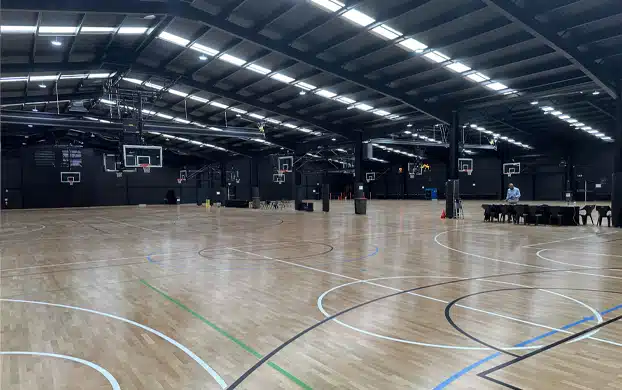

RMA was excited to help with the establishment of the new facility for the Camellia Wolves.
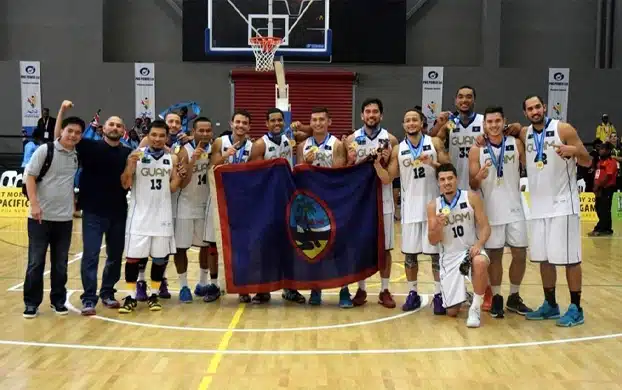
Over the years, RMA has been involved in 5 Pacific Games, the event that connects the best sports people from Pacific island nations together in a festival of sport.
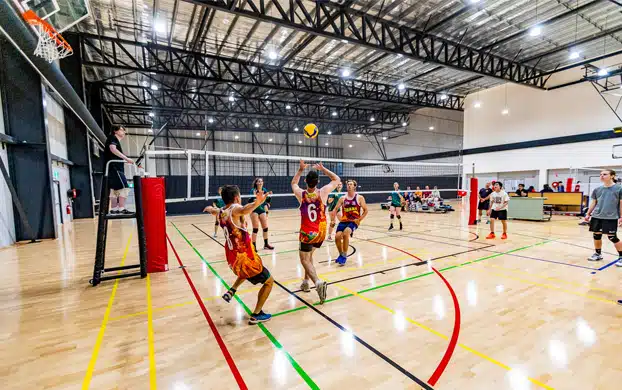
RMA’s involvement in new builds starts early, in quantity surveying or early design. We work with the designers and other stakeholders to determine the profile of the new facility.
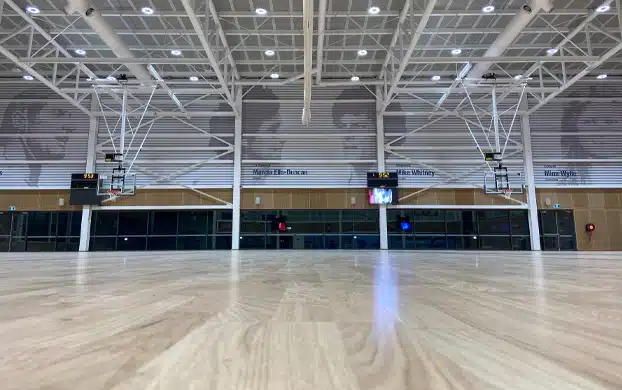
RMA works hard to support local government authorities with all their indoor and outdoor sports infrastructure requirements.
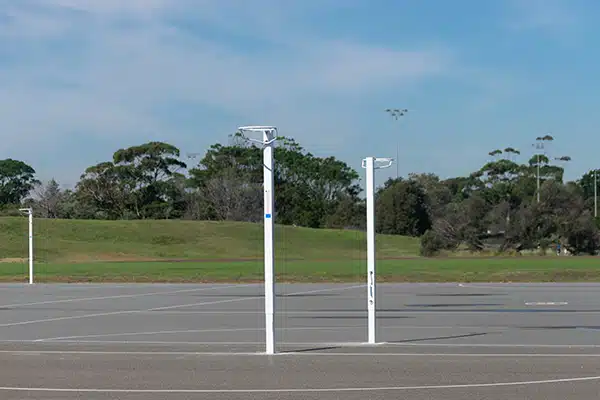
Over the years RMA has worked with hundreds of architects on hundreds of projects all across the Pacific.