(Ongoing School Relationship) Barker

(Ongoing School Relationship) Barker
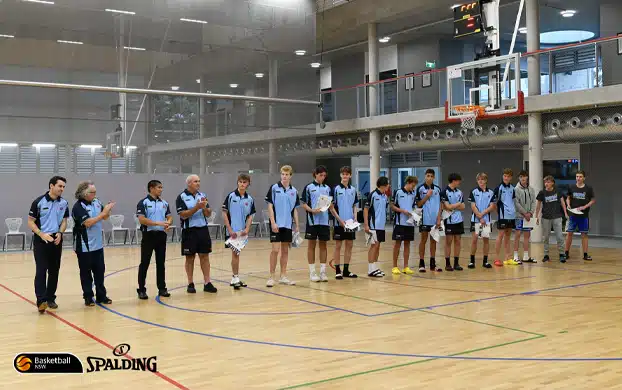
Barker College is a prestigious K-12 school in Sydney’s northern suburbs.
Adding a home basketball system can be fantastic!
It can give children a place to learn the game, help developing players practice their skills, and give the whole family an easy way to stay active.
But a basketball system is also a substantial piece of equipment. Poor-quality products, incorrect installation or an unsuitable system can create serious safety risks.
Before you buy, here are some important things to consider.

The first consideration should always be safety.
A basketball system needs to withstand repeated use, impacts and the forces generated when players shoot, rebound and play around the basket. A poorly designed, poorly installed or unsuitable system can become unstable or fail, potentially causing serious injury.
That is why professional advice and installation are worth considering, particularly for permanent or heavy-duty systems.
A reputable supplier should be able to explain how the system is designed, what installation method is required and whether it is suitable for your intended location and level of use.
Don’t treat installation as an afterthought. The quality of the installation is an important part of the overall safety and performance of the system.

Backboard size can make a significant difference to the playing experience.
A larger backboard provides a bigger target and can offer a more familiar playing experience for developing and experienced players. However, a larger backboard and supporting structure can also require more space and a more substantial installation.
Consider who will be using the system and how seriously they intend to play.
For younger children or casual shooting, a smaller system may be appropriate. For serious players looking to develop their skills, a full-size backboard can provide a more authentic experience.
RMA Sport’s domestic range includes systems designed for different levels of home use, including the PRO, ULTRA and JAM ranges.

A height-adjustable basketball system can be a particularly useful choice for a family. Children can start at a lower height and gradually increase the basket height as their skills and confidence develop.
For more serious players, being able to practise at regulation height can also be important.
The RMA Sport PRO system, for example, incorporates a height-adjustment mechanism and is designed for serious home or school use.
When comparing systems, don’t simply ask “Does it adjust?”
Ask:

One of the most common mistakes is choosing the basketball system first and thinking about the available space afterwards.
Before purchasing, consider the entire playing area—not just where the post or base will sit.
Think about how the system will actually be used.
A system that looks suitable on paper may not be appropriate if players have insufficient clearance around it.
Measure first, choose the system second.
Measure:

A cheap basketball system isn’t necessarily the best-value option.
Consider the quality of the backboard, support structure, adjustment mechanism, ring and other components. Also consider whether replacement parts and technical support will be available in the future.
A quality system can be a long-term investment, particularly if it will be used frequently by a growing family.
This is where an experienced supplier can add value. Rather than simply selling you a product, they should be able to help you select a system based on your space, intended use and requirements.

When you’re buying sports equipment, who made it matters.
Look for established manufacturers with a track record in basketball equipment and appropriate product certification.
FIBA operates an Equipment Approval Program for basketball equipment. FIBA Approved products must meet specified technical requirements and undergo testing through FIBA Accredited Test Institutes.
For a home user, FIBA approval isn’t necessarily a requirement for every basketball system. However, it can be a useful indicator that you’re dealing with a manufacturer and product that has been designed and tested against recognised basketball equipment requirements.
Always check exactly what certification applies to the product you’re buying rather than assuming that a supplier’s general claims about certification apply to every model.

The supplier you buy from can be just as important as the equipment itself.
Look for a company with a proven history in basketball infrastructure—not simply a retailer selling a range of hoops.
Longevity is a useful indicator. RMA Sport, for example, was established in 1999 and has more than 26 years of experience in sports infrastructure. The company has supplied sports equipment to more than 10,000 venues and has worked across major sporting events and facilities.
Ideally, your supplier should have:

Buying the right basketball system is only part of the process.
The system also needs to be installed correctly for the environment in which it will be used.
This is particularly important for permanent systems where the post or structure is fixed into the ground or attached to a building.
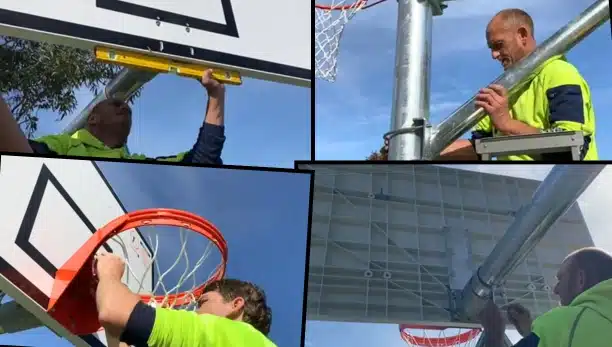
A professional installer can assess the installation requirements, ensure the system is correctly positioned and help make sure the equipment performs as intended.
Your family’s safety is not the place to cut corners.
Ideally, your supplier should have:
A home basketball system can provide years of enjoyment, training and family activity—but choosing one should involve more than comparing prices online.
Consider the safety, backboard size, height adjustment, available space, construction quality, certification, manufacturer and installation before making your decision.
And don’t be afraid to ask questions.
A reputable basketball supplier should be willing to explain why a particular system is suitable for your home and how it should be installed.
RMA Sport has been supplying basketball equipment since 1999, from domestic systems through to equipment used at some of the world’s highest levels of competition. Our domestic range includes the PRO, ULTRA and JAM systems, giving home users options suited to different levels of play and requirements.
If you’re considering installing a basketball system at home, talk to RMA Sport before you buy. Our team can help you understand the options and choose a system that is appropriate for your space, your family and the way you want to play.
Explore the RMA Sport Domestic Basketball Range
RMA Sport Domestic Basketball Systems

Barker College is a prestigious K-12 school in Sydney’s northern suburbs.
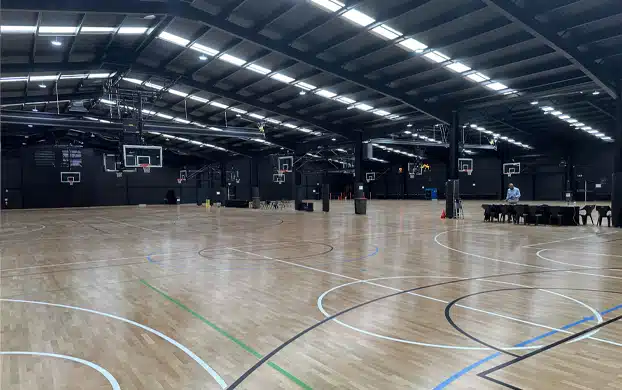

RMA was excited to help with the establishment of the new facility for the Camellia Wolves.

Over the years, RMA has been involved in 5 Pacific Games, the event that connects the best sports people from Pacific island nations together in a festival of sport.
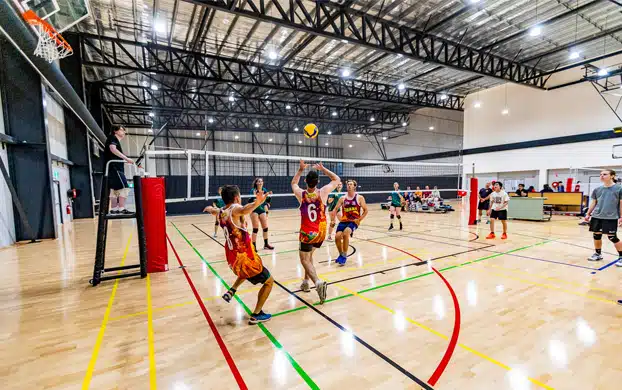
RMA’s involvement in new builds starts early, in quantity surveying or early design. We work with the designers and other stakeholders to determine the profile of the new facility.
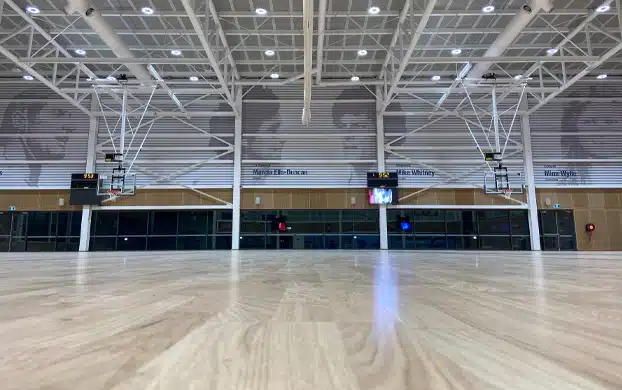
RMA works hard to support local government authorities with all their indoor and outdoor sports infrastructure requirements.
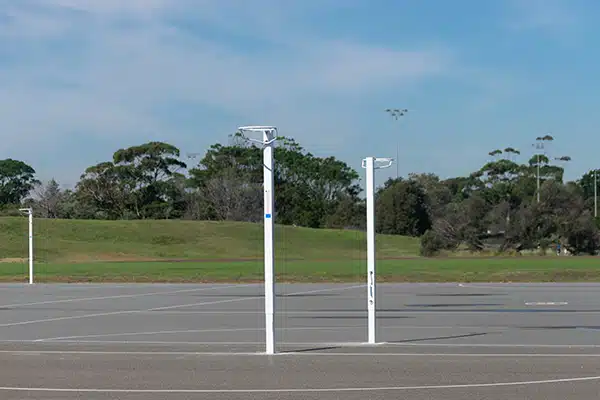
Over the years RMA has worked with hundreds of architects on hundreds of projects all across the Pacific.