(Ongoing School Relationship) Barker

(Ongoing School Relationship) Barker
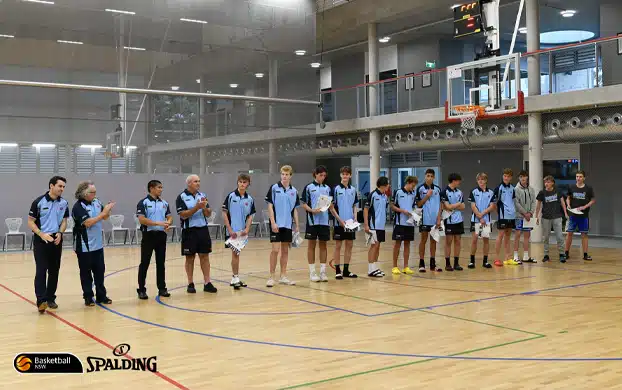
Barker College is a prestigious K-12 school in Sydney’s northern suburbs.
Why architects and facility owners in Australia, New Zealand, and the Pacific should focus on the Risks of Retrofitting Backboards on Old Structures.
When budgets are tight and basketball’s popularity is booming, retrofitting new backboards onto existing walls, ceilings, or trusses can seem like a clever cost-saving measure. However, the risks of retrofitting backboards on old structures are often underestimated. Without careful planning and engineering input, this “quick fix” can compromise structural safety, breach compliance requirements, and create long-term liabilities.
Many older sports halls, school gyms, and community centres were never designed for the dynamic loads imposed by modern basketball backboards.
Point loads and shock impacts — Rebounds, dunks, and regular gameplay generate sharp, repetitive forces that can exceed the safe load capacity of aging trusses or walls.
Hidden deterioration — Corrosion, timber rot, and prior water damage can weaken the structure. Without a structural engineer’s assessment, retrofits risk sudden and dangerous failures.
In New Zealand, parts of Australia, and many Pacific islands, facilities must withstand earthquakes or cyclonic winds.
Earthquake risk — Adding heavy or rigid fixtures to weakened walls increases the chance of dangerous detachment during seismic events.
Cyclone risk — In high-wind zones, unsecured or poorly anchored backboards can become high-speed projectiles.
Sports facility upgrades must comply with updated building codes and safety standards — retrofitting old structures without considering these can be costly.
Updated wind actions standard — The 2021 revision of AS/NZS 1170.2: Wind Actions introduces new wind zones (A0, B1, B2), a climate-change multiplier, and reclassifications of terrain categories, such as removing TC 1.5 and adding TC 2.5 (GSES summary here).
Insurance exposure — A non-compliant retrofit can void insurance cover and expose facility owners to litigation.
While a retrofit may be quicker, a future-proof installation ensures your facility is ready for evolving sports standards and safety codes.
Avoids structural compromises that can limit future upgrades.
Meets modern compliance from the start.
Reduces the risk of having to repeat expensive structural work later.
If your building cannot safely accommodate retrofitted backboards, consider these alternatives:
Engage a structural engineer before committing to any retrofit.
Install purpose-built mounting frames that distribute load across structural members.
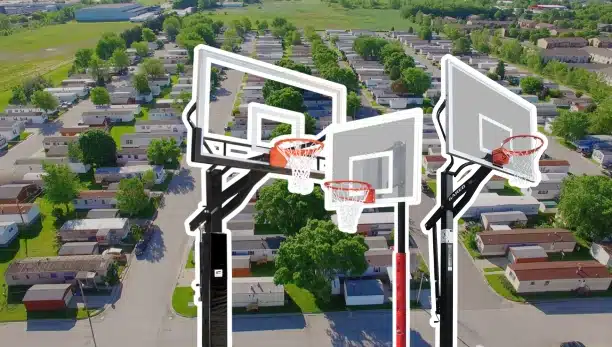
When the building’s structure can’t support a fixed unit, specify certified, engineered freestanding backstops designed for stability and compliance—not retail models.
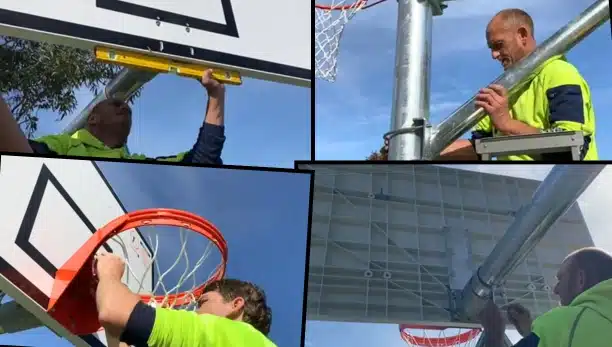
Follow manufacturer guidelines and use certified installers for every job.
You can explore more insights on sports facility planning in RMA Sport’s article library.
Retrofitting backboards is more than a hardware decision — it’s a structural, compliance, and long-term performance decision.
At RMA Sport, we are the leading consultants for safe, future-proof sports facility installations across Australia, New Zealand, and the Pacific. We:
Conduct detailed assessments of structural capacity before installation.
Design adaptable systems to meet today’s and tomorrow’s standards.
Plan upgrades that won’t require costly structural changes later.
📞 Talk to us today about your project and avoid costly mistakes before they happen.

Barker College is a prestigious K-12 school in Sydney’s northern suburbs.
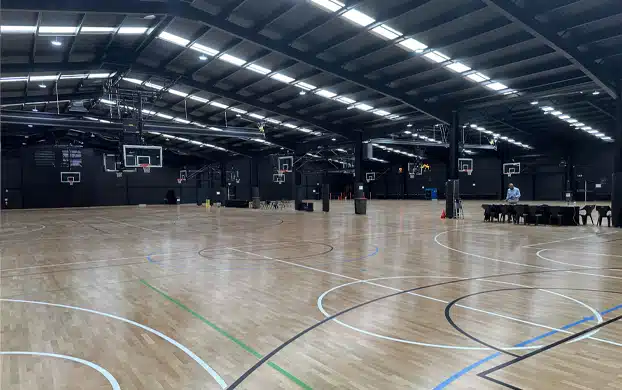

RMA was excited to help with the establishment of the new facility for the Camellia Wolves.
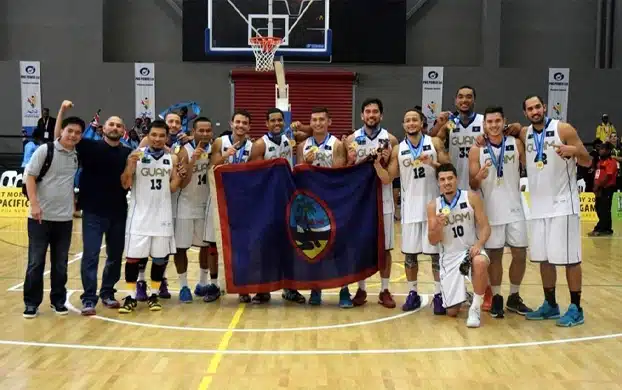
Over the years, RMA has been involved in 5 Pacific Games, the event that connects the best sports people from Pacific island nations together in a festival of sport.
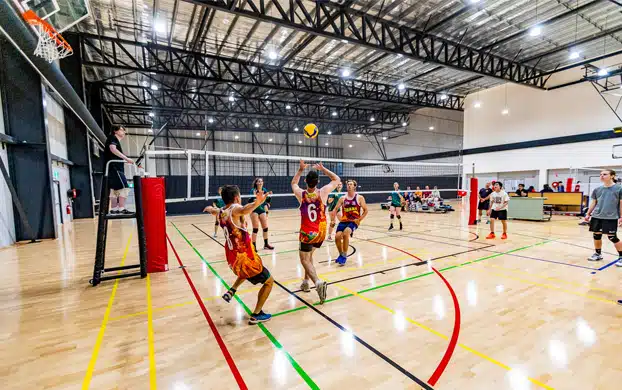
RMA’s involvement in new builds starts early, in quantity surveying or early design. We work with the designers and other stakeholders to determine the profile of the new facility.
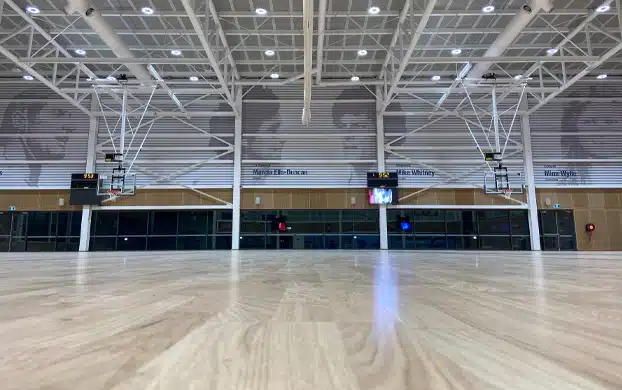
RMA works hard to support local government authorities with all their indoor and outdoor sports infrastructure requirements.
Over the years RMA has worked with hundreds of architects on hundreds of projects all across the Pacific.